

led stand up mirror
The Importance of a Set of 3 Spirit Levels in Construction In the realm of construction and home improvement, precision is paramount. Achieving accurate measurements can be the difference between a well-constructed structure and a disjointed mess. One of the most indispensable tools for ensuring this precision is the spirit level, particularly when it comes to using a set of three spirit levels. The Importance of a Set of 3 Spirit Levels in Construction The first tool in a set of three is typically a standard level, which is used for horizontal and vertical alignments. This level is crucial for tasks such as hanging pictures, installing cabinets, and aligning furniture. It ensures that the work is aesthetically pleasing and functional, as misalignment can lead to improper functioning and elevated wear on materials over time. set of 3 spirit levels The second level in the set is often referred to as a torpedo level, which is shorter and designed for use in tight spaces. Its compact size allows it to fit into places where a standard level cannot, such as between studs or in small corners. The torpedo level is an essential tool for tasks that require pinpoint precision in confined areas, such as when installing light fixtures or shelving brackets. The third level in the set is typically a line level, which is used for checking long distances. Often used in landscaping or excavation work, a line level is suspended on a string or line. This enables builders to ensure that an entire stretch (like a fence line or a pathway) is level over a significant distance. By utilizing a line level, construction professionals can avoid inconsistencies that might arise over extended spans. In conclusion, a set of three spirit levels—comprising a standard level, a torpedo level, and a line level—provides a comprehensive toolkit for ensuring precision in various construction tasks. Each type of level serves a specific function and, when used together, they offer versatility and accuracy. For both professionals and DIY enthusiasts, investing in a set of three spirit levels is not just a smart choice—it is an essential step toward achieving high-quality, precise outcomes in construction and home improvement endeavors.
about
led stand up mirror
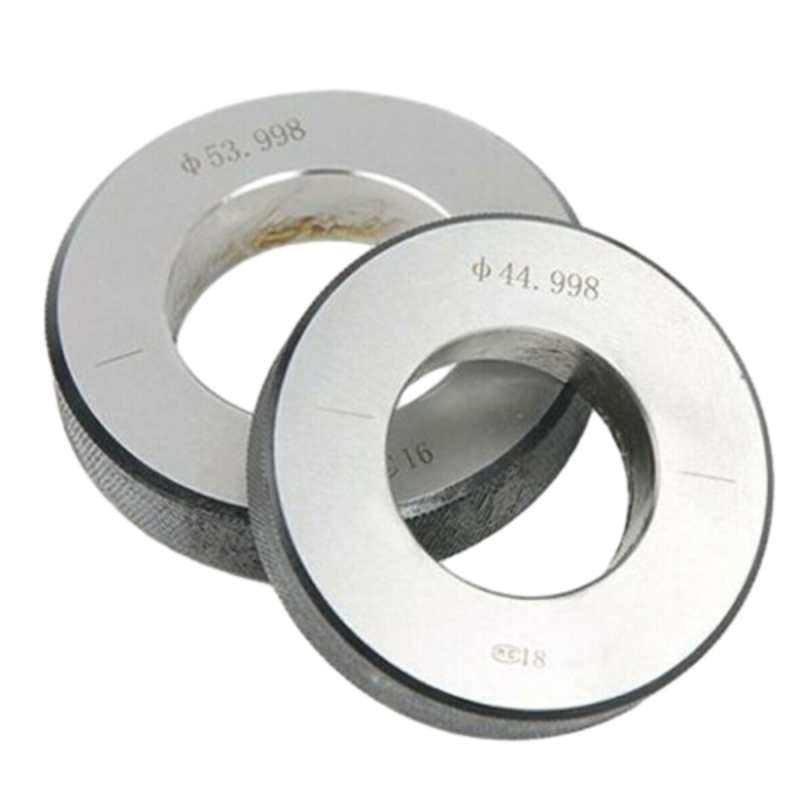
Understanding Ring Gauge Standards in Manufacturing In the world of manufacturing and quality control, precision is paramount. One of the critical tools used to achieve this precision is the ring gauge. Ring gauges are used primarily for measuring the diameter of cylindrical parts and holes, ensuring that components fit together seamlessly in assemblies and machinery. This article delves into the significance of ring gauge standards, their applications, and the impact they have on manufacturing processes. What is a Ring Gauge? A ring gauge is a type of measuring instrument that is designed in the shape of a ring. It is used to check the diameter of a cylindrical workpiece by fitting the workpiece into the gauge. There are two main types of ring gauges go gauges and no-go gauges. The go gauge is the acceptable limit that the workpiece must fit within, while the no-go gauge represents the maximum allowable size. If a part passes through the go gauge but does not pass through the no-go gauge, it is considered within tolerance. Importance of Standards The significance of ring gauge standards cannot be overstated . These standards are set by various organizations, including the International Organization for Standardization (ISO) and the American National Standards Institute (ANSI). They provide strict guidelines and specifications regarding the dimensions, tolerances, and materials used in the manufacturing of ring gauges. By adhering to established standards, manufacturers can ensure consistency and compatibility across various components and systems. This uniformity is crucial, especially in industries such as aerospace, automotive, and machinery, where even the slightest deviation can lead to failures and safety risks. For example, in the aviation sector, where parts must interact with precision, a mismatch caused by inconsistent measurements could result in catastrophic outcomes. Applications of Ring Gauges ring gauge standard Ring gauges are widely utilized in various industries. In the automotive sector, they are instrumental in ensuring that engine parts fit together properly. Similarly, in the aerospace industry, ring gauges are used to measure and ensure the quality of critical components like landing gear and engine mounts. Moreover, ring gauges are not limited to large-scale manufacturing. They are also essential in mechanical workshops where precision machining is performed. Craftsmen and machinists use ring gauges to verify the dimensions of custom parts, ensuring they meet the required specifications before assembly. Impact on Quality Control The use of ring gauge standards significantly enhances quality control processes within manufacturing. By incorporating these gauges into routine inspections, manufacturers can quickly identify non-conforming parts, reducing waste and rework. This proactive approach to quality control fosters a culture of excellence, where precision and accuracy are prioritized at every stage of production. Furthermore, the implementation of ring gauge standards contributes to the overall reliability of products. Customers and end-users expect high-quality standards, and businesses that uphold these standards build a reputation for reliability. This can lead to increased customer satisfaction and loyalty, ultimately impacting a company's bottom line positively. Conclusion In conclusion, ring gauge standards play a vital role in manufacturing by ensuring the dimensional accuracy of cylindrical parts. The adherence to these standards supports quality control, reduces the likelihood of defects, and enhances the overall efficiency of manufacturing processes. As industries continue to evolve and innovate, the importance of maintaining high standards in measurements remains a cornerstone of manufacturing excellence. Adopting proper ring gauge standards is not just a regulatory requirement, but a commitment to quality that resonates throughout the production chain, benefiting manufacturers and customers alike.
-

High quality industrial productsagement

High quality industrial products
View Details -

Meet the diverse needs of customers

Meet the diverse needs of customers
View Details -

Strict quality control

Strict quality control
View Details -

Top raw materials

Top raw materials
View Details -

Trusted supplier

Trusted supplier
View Details
Our application

news and information

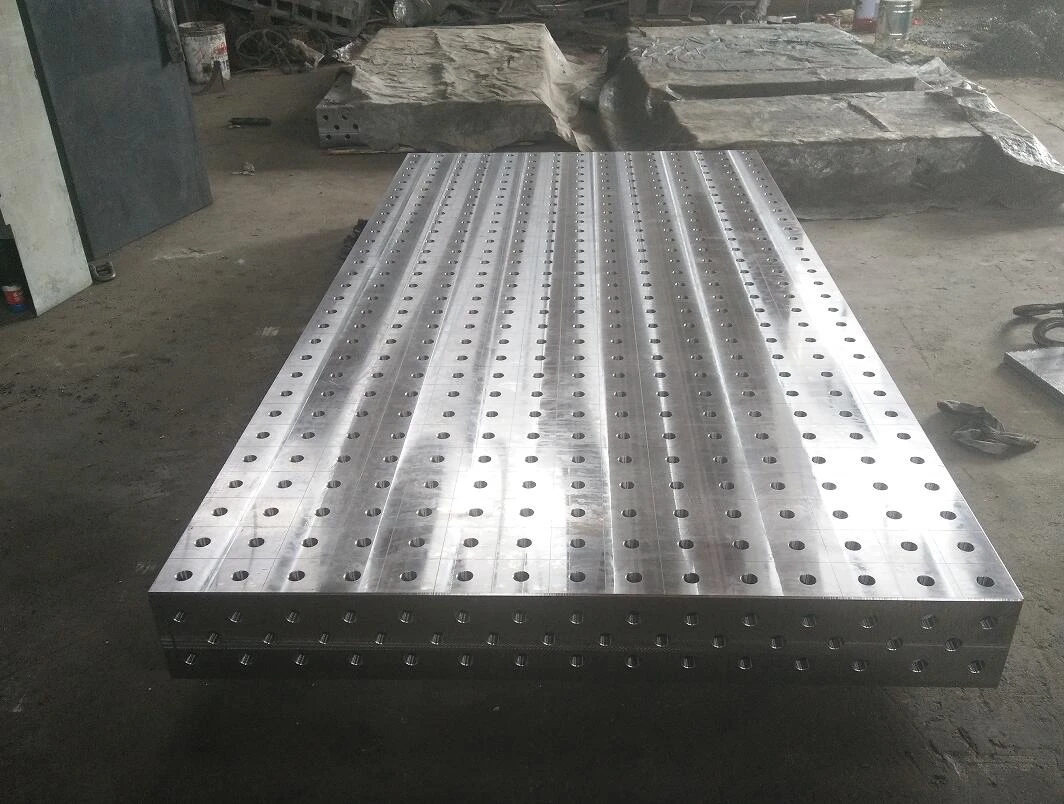
Welding Table Manufacturing Solutions from China for Reliable Performance and Quality
Welding Tables in China A Comprehensive Overview Welding tables are essential tools in the fabricati
Y Type Strainers_ A Comprehensive Guide
Y type strainers are crucial components in various piping systems, known for their ability to filter

Valve check for preventing backflow in fluid systems an essential component.
A backcheck valve, also known as a non-return valve or check valve, is a crucial component in many i
 English